2026 sales; 2027 filing season
Form 1099-S Home Sale Exemptions and the Seller Certification Check
A signed home-sale exemption certificate can still be incomplete. Learn what title, escrow and closing teams should check before excluding a 2026 transaction from Form 1099-S reporting, including an outdated IRS sample, seller signatures and the filing calendar.
Source review: · Updated
 Filing guide
In this guide
A signed seller certification can still be incomplete. For a title company, escrow company or closing attorney reviewing 2026 home sales, that matters before a transaction disappears from the Form 1099-S filing list.
The practical question is whether the closing file supports the reporting exception. A seller's expectation of owing no tax does not answer that question. This article focuses on principal-residence certifications for 2026 sales and the related 2027 filing work.
Start with the closing that looks finished
Consider a hypothetical cash sale of a home for $240,000 by one individual owner. The settlement file includes a signed certification copied years ago from the appendix to IRS Revenue Procedure 2007-12. Staff mark the transaction exempt because the seller completed every question on that template.
Before excluding the sale, the reporting person should check the template against current guidance. The IRS specifically warns that the old sample lacks two required assurances. A complete set of answers to an incomplete document leaves a gap in the exemption review.
Generally, the settlement agent identified on the applicable closing statement is responsible for Form 1099-S. Other closing arrangements and valid written designation agreements have their own rules. Assign that responsibility before deciding who will chase an incomplete certification. See the IRS Form 1099-S instructions: [1].
Check the sale price separately from the seller's gain
The principal-residence reporting exception described in the instructions generally requires a sale of the entire residence for $250,000 or less, or $500,000 or less with the applicable married-seller certification. Apply this price test to the entire residence, not an individual owner's allocated proceeds. The required assurances must also be satisfied.
Those amounts do not invite the closing office to substitute the seller's estimated profit for the sale price. A married couple selling a home for $700,000 is above this exception's $500,000 sale-price limit even if the couple expects to exclude all of its gain. A $240,000 sale is below the lower price limit, but price alone does not establish the exception.
Use the contract and final settlement records for the price check. Keep the seller's income-tax questions with the seller and their tax adviser. The closing office needs a supported information-reporting decision.
Review the entire certification, including the missing assurances
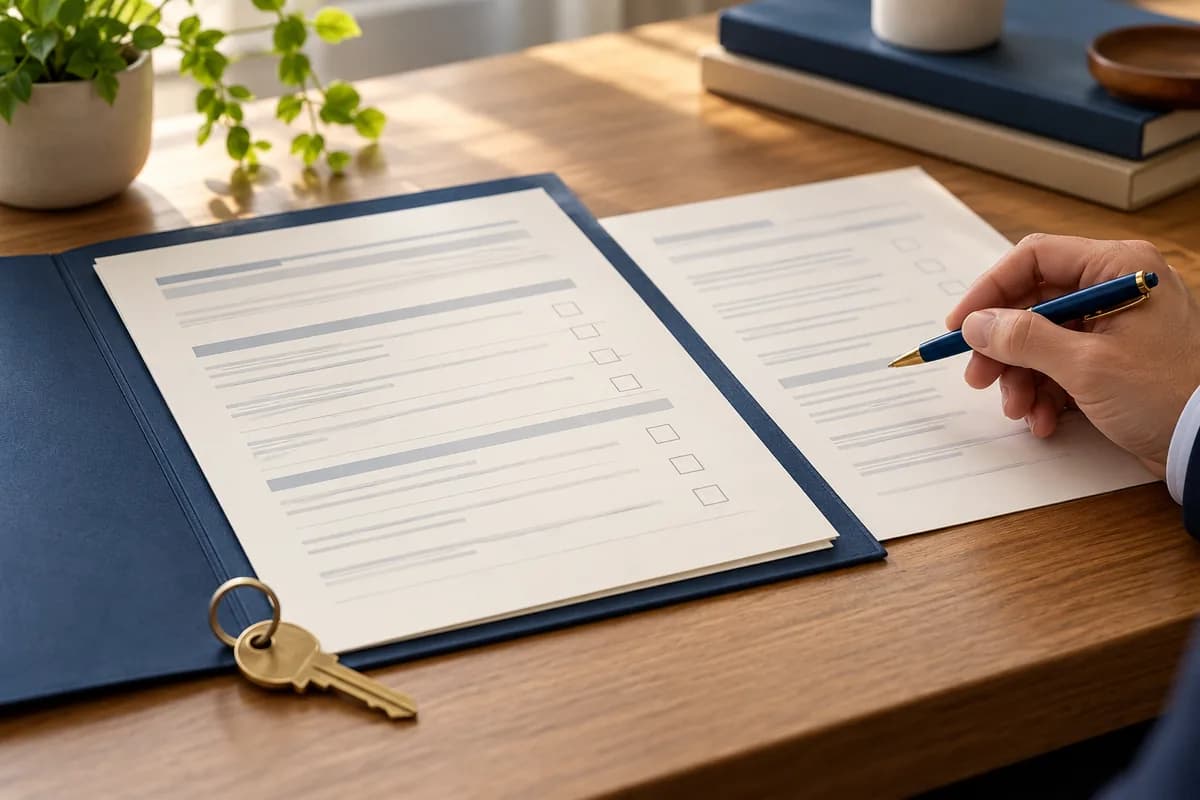
Revenue Procedure 2007-12 addresses ownership and use of the home, another principal-residence sale during the preceding two years, business or rental use, the applicable sale-price and married-seller conditions, and certain recent like-kind exchanges. The seller must sign the certification under penalties of perjury. Its sample is not a substitute for reviewing the current requirements.
The current IRS instructions say the certification must also contain assurances that:
- There was no period of nonqualified use, as defined in section 121(b)(5)(C), after December 31, 2008.
- The full gain from the sale is excludable under section 121.
The instructions explicitly identify both omissions in the old sample. Do not add only a new date or your company's logo and assume the template is current. Have the person responsible for your tax or legal review approve the full wording before it goes back into the closing packet.
This is a review checklist, not a replacement certification form. A seller who is unsure about a statement should get advice before signing. Staff should not convert an uncertain answer into a favorable one to finish the file. The original procedure and sample are available in Internal Revenue Bulletin 2007-4: [2].
A signature from one owner does not cover everyone
If a residence has multiple owners, obtain the required certification from each owner, including spouses, or report and furnish a statement for an owner who does not certify, subject to the applicable reporting rules. A shared surname or a jointly addressed email is insufficient evidence that both owners made the assurances.
Build a separate completion check for each seller. Record whose certification was received, its receipt date and the unresolved question, if any. This is particularly useful when one person handles the closing correspondence for the household.
Also address information that conflicts with a signed answer. The current regulation's penalty protection does not apply when the reporting person has actual knowledge or reason to know that an assurance is incorrect. A contradictory acquisition record should reach the reviewer before the exemption is approved. See 26 CFR 1.6045-4(c)(2)(iv): [3].
Keep a decision record for the year-end preparer
The person assembling the annual filing may not have attended the closing. Give that preparer enough information to distinguish an approved exemption from a file still awaiting a seller response.
A useful closing record includes:
- The property, closing date, sale price and reporting person
- Each seller's identity and applicable tax documentation
- The version of the certification actually signed
- The signed assurances, including the additions required by current guidance
- Questions or conflicting records and how the reviewer resolved them
- The final reporting decision, reviewer and decision date
For an otherwise reportable sale where this exception is unavailable and no other exception applies, prepare and furnish Form 1099-S. An incomplete certification does not itself establish that the seller owes tax. It means the reporting person cannot treat that incomplete document as support for skipping the return.
Retain the certification for four years after the year of sale. For a 2026 sale, that period runs through the end of 2030. Keep it retrievable with the closing record and follow any longer applicable retention requirement. Limit access to documents containing taxpayer identification numbers.
Separate the certification cutoff from the filing calendar
Revenue Procedure 2007-12 and the current instructions say the certification may be obtained by January 31 of the year after the sale. Collecting it at closing avoids a January follow-up project.
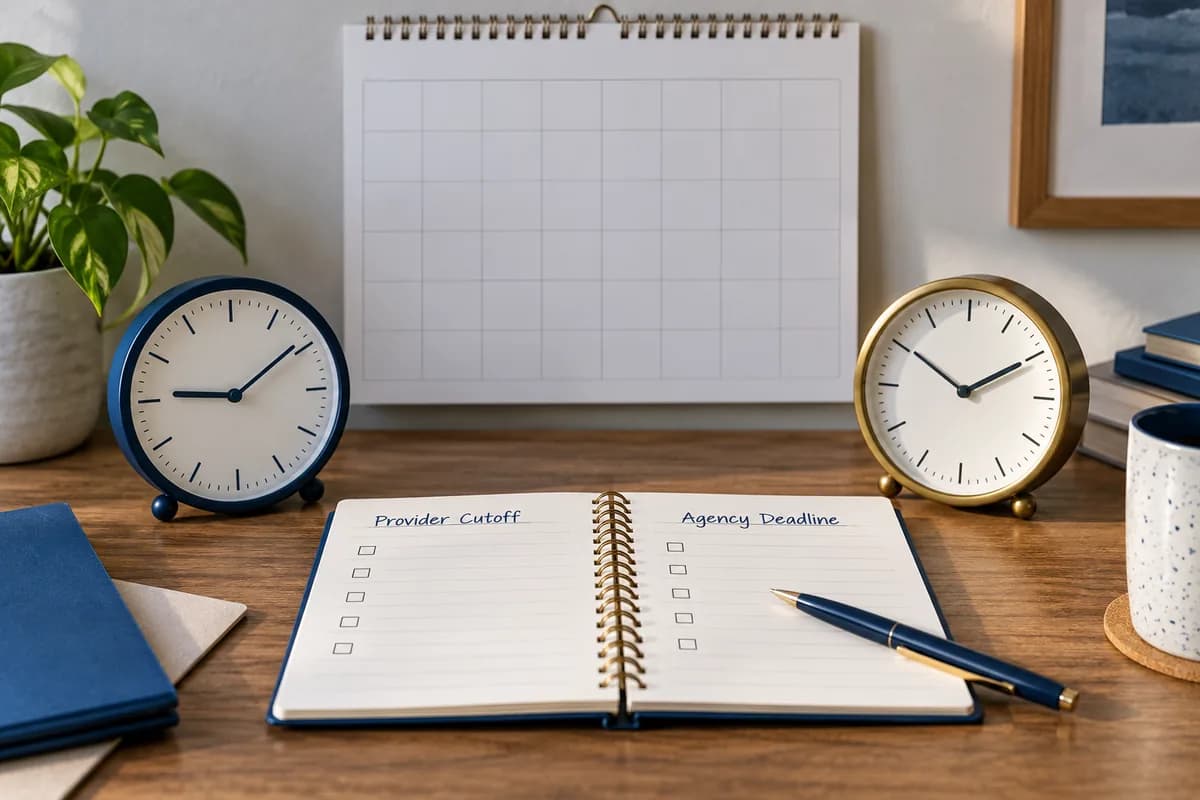
For outstanding 2026 files, set an internal completion target of Friday, January 29, 2027. That is a practical target before the stated January 31 cutoff, not a claim about a weekend extension. Do not use the later seller-statement deadline as the certification collection deadline.
For a 2026 sale that requires Form 1099-S, the standard 2027 deadlines are:
- February 16, 2027: furnish the seller's statement
- March 1, 2027: file with the IRS on paper, if paper filing is permitted
- March 31, 2027: file electronically with the IRS
These dates apply the weekend and legal-holiday rules in IRS Publication 1099 (2026): [4]. Electronic filing is generally required when a filer reaches 10 information returns in the aggregate, so a small 1099-S batch does not necessarily qualify for paper filing. Check applicable relief and your filing provider's earlier processing cutoffs separately.
Turn the reviewed closing list into the filing list
Before importing records, reconcile all completed sales to the documented reporting decisions. Investigate blank statuses and missing files instead of letting an empty certification field behave like an exemption. Preserve the reason a transaction was excluded so a later employee can reproduce the decision.
Once you have decided which closings require reporting, use E-File Magic's Form 1099-S workflow to prepare that approved population. Spreadsheet imports reduce re-entry, while form review helps you check each seller and proceeds amount before release. Plan recipient delivery alongside filing, and keep signed certifications with your source records. For larger closing volumes, talk with our team using a summary that leaves seller Tax IDs out of the inquiry.
Federal guidance reviewed October 13, 2026. Examples are hypothetical. This is general information for reporting businesses, not individualized tax or legal advice.
PUT YOUR GUIDE INTO PRACTICE
Put your filing plan into practice.
Start with your reviewed records, or contact our team to confirm the services your filing needs.
The official reference
IRS instructions for this guide
Preview here, or save a copy for later.
Instructions for Form 1099-S
December 2026 editionPDF · 155 KBContinuous use
Publication 1099 — General Instructions for Certain Information Returns
2026 editionPDF · 1416 KB
Need another form or year? Explore the full library. Edition dates reflect the IRS publication and may differ from the tax year.
Sources & further reading
Official references used in this guide. Check the applicable form revision and current instructions for your filing year.